Derek Eats Mérida
A guide to eating on the streets and in the markets of Mérida that make up one of Mexico's most underrated food cultures

This guide is provided for free, but tips are appreciated (PayPal or Venmo) and help support future food research and writing. I share ongoing food discoveries and updates on TikTok, and publish longer guides like this on Substack.
Mérida is the capital of the state of Yucatán and the largest city in the Yucatán peninsula, located in southeastern Mexico. Southern Quintana Roo beach towns of Cancun, Playa del Carmen, and Tulum are more widely recognized, especially to foreigners, but Mérida is home to a diverse cuisine that is distinct among the food Mexico has become famous for. Leaning heavily on Mayan traditions, Spanish techniques, and Caribbean ingredients, la comida yucateca is much more than just cochinita pibil.
The city is gaining well-deserved attention recently, and increased tourism has led to an expansion of fine dining. This guide is based on my personal experience eating through the streets and markets of Mérida and the coastal towns of Yucatán. The foods featured below are all things I actually had the chance to eat during my week staying in the city. I encourage you to give them a try!
Common proteins you’ll find throughout Yucatecan cuisine:
Cochinita Pibil - the slow-roasted pork is the most iconic ingredient in Yucatán, traditionally marinated in banana leaves and cooked in an underground pit until super tender
Pavo Asado - turkey is particularly popular across Yucatán, and is the most common addition to various dishes like panuchos and salbutes
Lechón al Horno - pork is marinated then slow-roasted in a wood-fired oven, leaving its characteristic crispy skin
Relleno Negro - turkey is cooked in a paste of charred dried chiles, leaving it with the signature black color and smoky flavor
Castacán - pork belly fried with its skin on, leaving tender meat with a crunchy exterior
Queso Relleno - queso de bola is combined with ground beef and other ingredients along with salsas, often used as a filling for dishes or as a main course
Panuchos
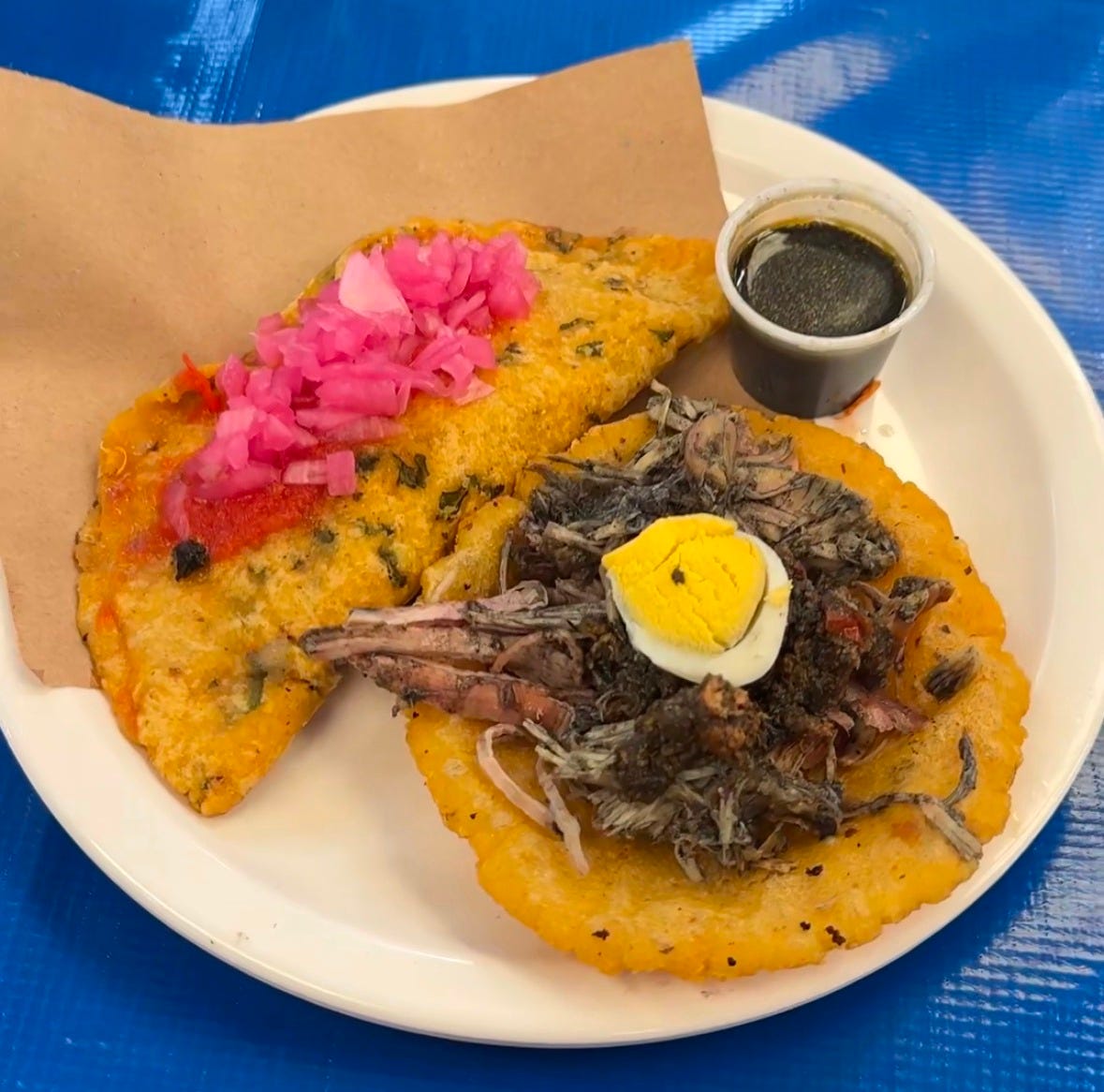
Panuchos are quintessential in Yucatecan cuisine. Corn masa is hand-patted around refried black beans to form a thick tortilla, then fried in oil until they puff up with a crispy exterior. It functions similarly to a taco in the sense that it is filled with a protein of your choice and topped with salsa, but is viewed as a distinct dish among yucatecos.
Shredded turkey is the most common protein, though a number of other popular options like cochinita pibil and relleno negro are generally available. They are also typically topped with avocado, pickled onions, cabbage, and tomato. Though traditionally more of a breakfast food, they are widely available throughout the day at markets, restaurants, and stands around the city.


Salbutes
The salbut is like the understated cousin of the panucho. It is also a hand-patted corn tortilla fried and puffed up, only without the beans inside. I found salbutes tended to get a bit puffier since they don’t have the moisture from the beans. You can generally find salbutes on menus alongside panuchos with similar variety of proteins, my personal favorite being queso relleno.


Marquesitas
The marquesita is a sweet creation emblematic of the Yucatán peninsula. It is a large, thin wafer cooked in a press then filled before being rolled into a long tube. As it cools, the wafer hardens into a crisp shell. Some people think of a marquesita as a sort of crispy crepe, but don’t suggest that to a Yucateco. Dedicated stands set up all around the city every night, with Parque de las Americas acting as a popular, central hub. Combinations are endless, and I personally made sure to try a different one each day I was there!
The primary filling is queso de bola (Dutch edam cheese), which many argue is necessary for a proper marquesita. It is common to be combined with a variety of other fillings like Nutella, cajeta (goat’s milk caramel), lechera (sweetened condensed milk), jam, and fresh fruit to offer an even strong contrast between sweet and savory. Some stands get even more creative, offering various candies and other toppings as well. Traditionalists will insist that should be the only filling to go inside, which was probably my favorite way to eat them.


Tortas de Cochinita Pibil
Tortas are large sandwiches popular around Mexico, but fill a traditional role in Yucatecan culture. You’ll find locals coming together for a torta de cochinita pibil every sunday morning. Of course, there are plenty of other varieties available, but this is a tradition you should take part in while in Mérida!
Tamales
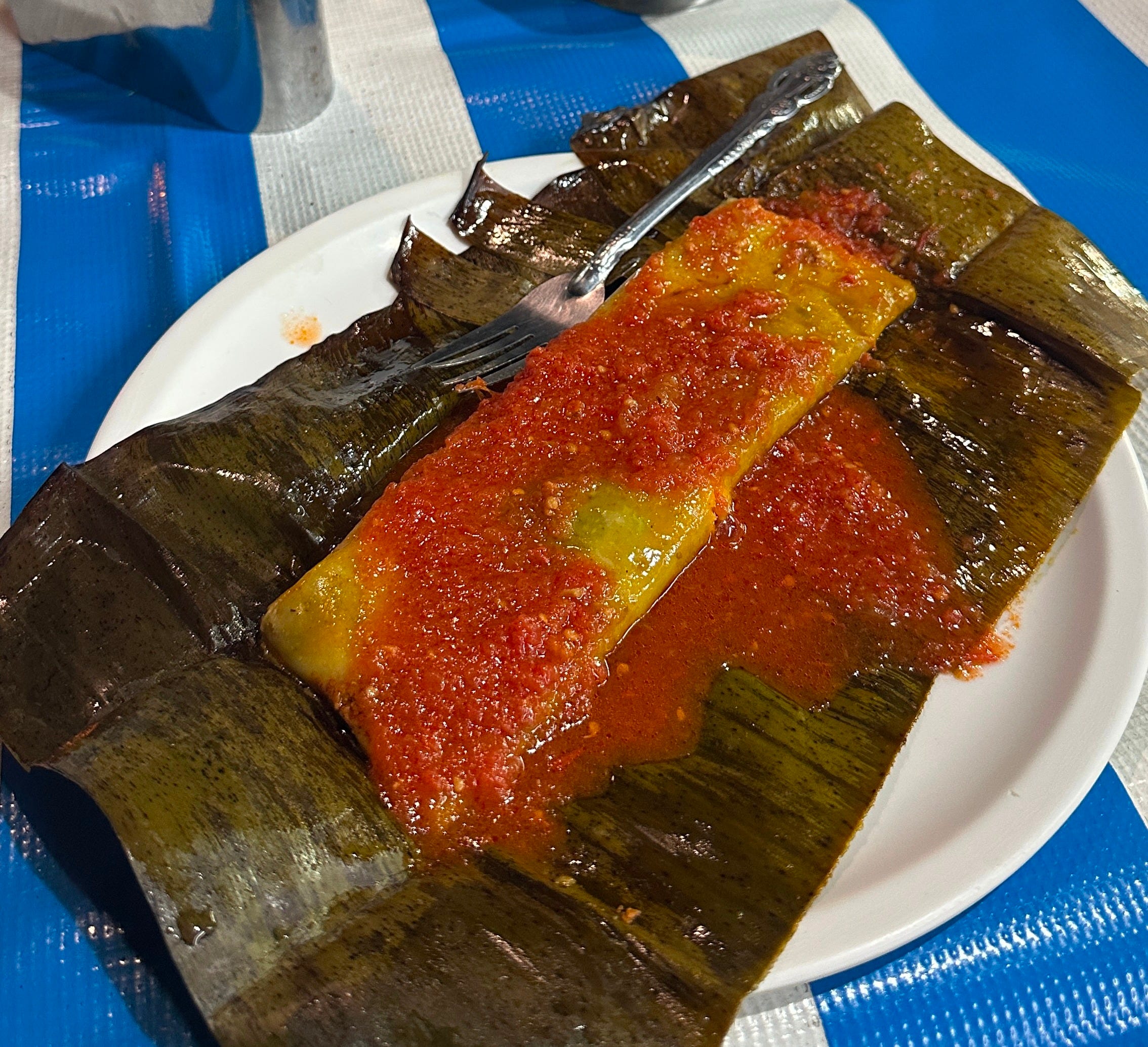
You are likely already familiar with traditional Mexican tamales, but the Yucatán has its own take on tamales. They are more commonly wrapped in banana leaves rather than corn husks, giving them a moister texture. You’ll find them with a variety of fillings unique to the region, and often topped with a red chile sauce. There are even different variations of tamales within Yucatecan cuisine!
Empanadas
Even empanadas are distinctly different in Yucatán. Rather than the traditional wheat base seen around the majority of Latin America, empanadas in Mérida are made using a corn masa. They are formed into the familiar half-moon shape around your choice of filling then deep fried to get a crispy exterior. It is common for black beans to be mixed in with the masa. While a variety of meats are offered as filling, the most popular options are probably queso de bola and chaya, a local supergreen.
Agua de chaya
Agua de chaya is a popular drink in Mérida. The signature ingredient is naturally chaya, a spinach-like superfood native to Yucatán that has been utilized dating back to Mayan times. The green is poisonous if consumed raw, so it is cooked then mixed with water, lime, and often pineapple for additional flavor. You could call it a local version of green juice, known for its nutritional value along with its great taste.
Other
Sopa de lima is one of the regions’s most iconic dishes, essentially a chicken soup with a heavy flavor of lime in the broth. It is traditionally typically with totopos (tortilla chips).
Bolis are like homemade ice cream treats served in individual plastic tubes, available in a wide variety of flavors. Though not exclusive to Mérida, they are especially popular as a way to help beat the heat in the region.
Kibis are an example of outside influence on local cuisine, essentially a modified interpretation on Lebanese kibbeh. They are made from bulgur wheat, filled with ground meat, and fried until dark and crispy.
Pan dulce has its own unique culture in Mérida, featuring a variety of sweet breads filled with cream cheese or queso de bola as well as hojaldras, a flaky pastry usually filled with ham and queso Daisy (a type of cheddar), among other options.
Poc chuc is a popular meat dish consisting of thin strips of pork marinated in orange juice and spices.
Papadzules are similar to enchiladas, but with a Yucatecan twist. They are dipped in a creamy pepita sauce and typically filled with hard-boiled eggs then topped with a tomato salsa.
Sorbets are similar to the nieves available throughout Mexico, but it is a local favorite to get sorbet de mamey from Sorbetería Colón.
Arroz con plátano is a simple dish consisting of rice mixed with fried plantains. Usually mixed with garlic and/or tomatoes, it creates a flavorful mix of sweet and savory.
Ceviche in Yucatán is similar to that found elsewhere, but utilizes local oranges in the marinade to give it a more complex flavor profile.
Yucatecan cuisine is so vast there was no way I could try everything while I was there. I only included foods in this post I actually ate, which means I didn’t include classics like dzic de venado or tikin xic. There are also local snacks that are popular, with their own variations, like Charritos preparados. Then, of course, you’ll find Mexican favorites like tacos and esquites that are popular around the country. At the end of the day, no trip to Mérida is complete without some serious sampling of la comida yucateca!
What’s your favorite? Did I miss anything else important? Let me know in the comments!
Want more like this? I post ongoing food finds and neighborhood eating tips on TikTok, and publish practical guides on Substack covering regional gastronomy. Subscribing helps support the work and ensures you don’t miss future guides.
Enjoyed this guide? Tips help support future food research and writing.
Suggested tips (totally optional):
$2 - Buy me a salbut
$5 - Buy me a marquesita
$10 - Buy me ceviche & arroz con plátano