Derek Eats Puebla
A guide to eating on the streets and in the markets of Puebla that make up one of Mexico's most overlooked food cultures

This guide is provided for free, but tips are appreciated (PayPal or Venmo) and help support future food research and writing. I share ongoing food discoveries and updates on TikTok, and publish longer guides like this on Substack.
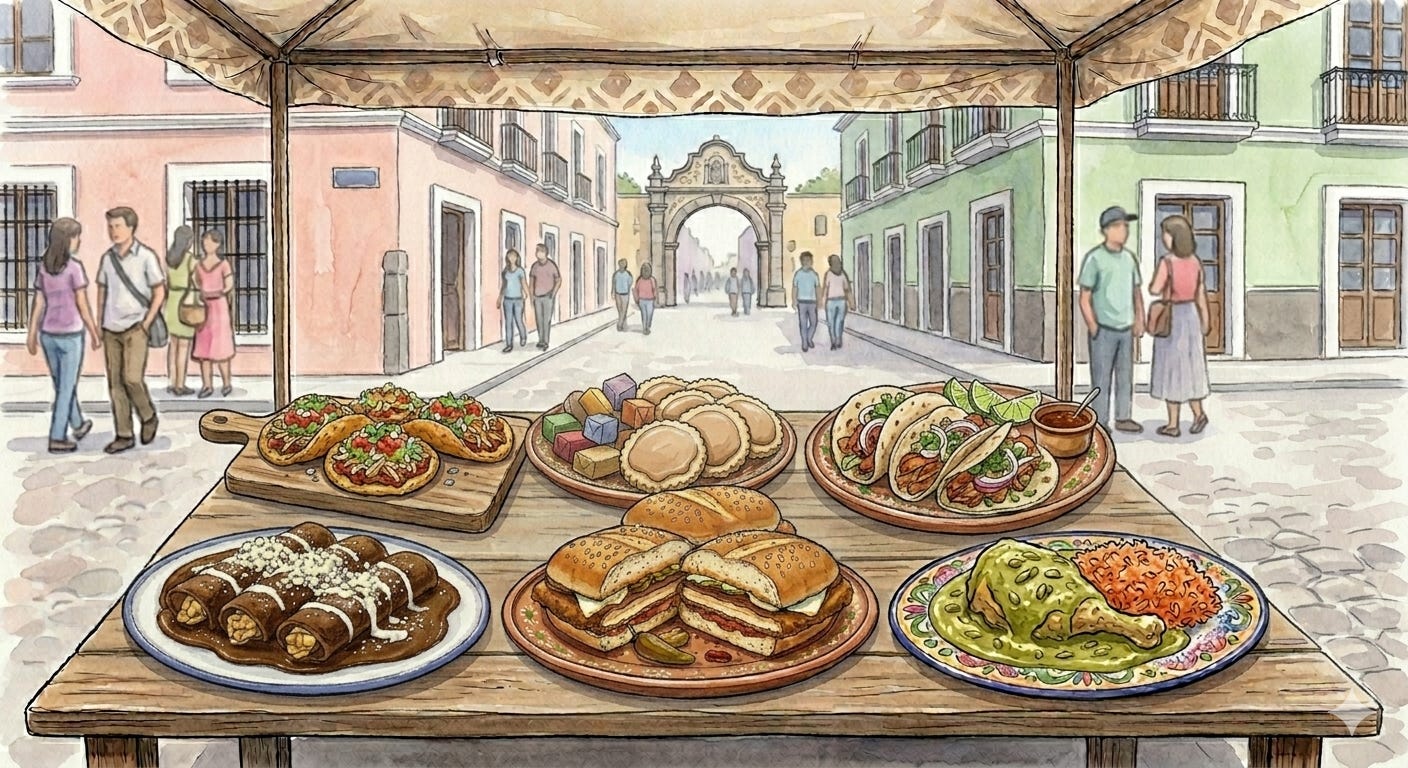
Puebla is often overlooked by visitors given its proximity to Mexico City, making it an occasional day trip but less often an ultimate destination. But ask a Mexican and they’ll probably tell you la comida poblana is among the richest and most significant in the country. In fact, some of Mexico’s most recognized and prized dishes originated in Puebla.
The city’s food culture is characterized by its blend of native tradition, Spanish colonial influence, and Middle Eastern immigrants. Much of the food, especially the sweets, came thanks to the work of nuns in convents like Santa Clara fusing indigenous ingredients with European techniques. Other dishes came thanks to foreigners who settled in Puebla in the early 20th Century, namely Lebanese.
This guide is based on my own experience eating on the streets and in the markets throughout Puebla. What you’ll find here is the food I actually ate: the stuff sold out of market stalls, street-side puestos, dulcerías, and traditional fondas.
Cemitas
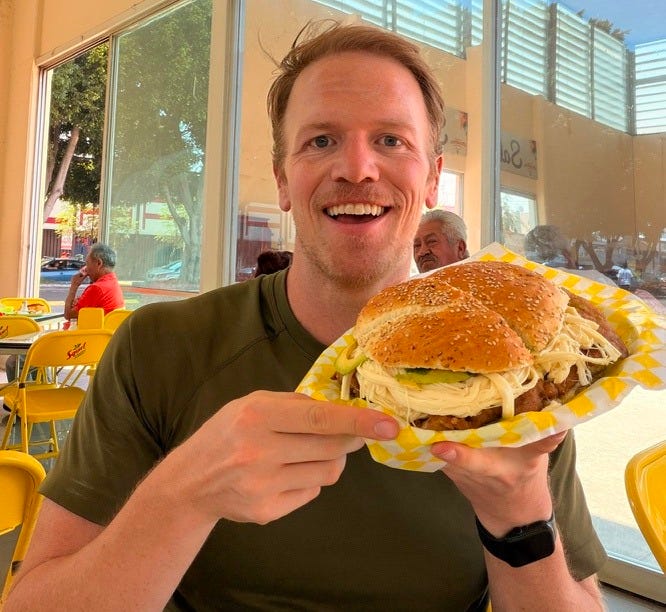
Cemitas are Puebla’s take on the ever-popular Mexican torta, just turned up a notch. The sandwich is characterized by a round seeded cemita roll and pápalo, a divisive herb reminiscent of cilantro. Milanesa is the most typical meat on a cemita alongside avocado and a massive load of quesillo. It may seem like just another Mexican sandwich, but trust me, once you try it, it’ll stick with you.
Mole Poblano
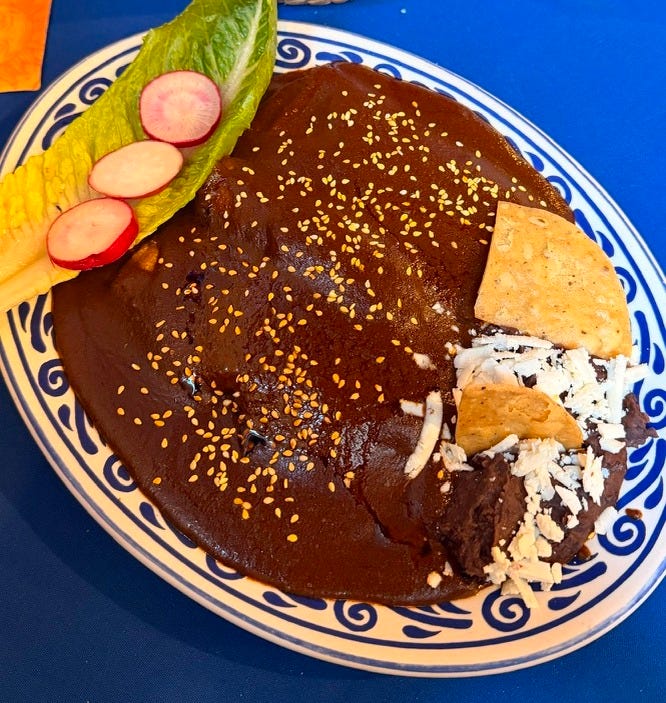
Mole poblano has the distinct honor of being widely considered Mexico’s national dish. Like most moles, it is a complex sauce with more than 20 ingredients such as a mix of dried chiles, chocolate, nuts, and other spices. Unlike many other moles, though, it is not particularly spicy and instead deep and savory, making it a good choice for those who aren’t keen on Mexican heat.
One of the products of the city’s convents, it is traditionally served with either chicken or turkey and a side of rice. It is also common as a sauce for enchiladas, turning them into enmoladas, a popular breakfast choice in Puebla.
Pipián
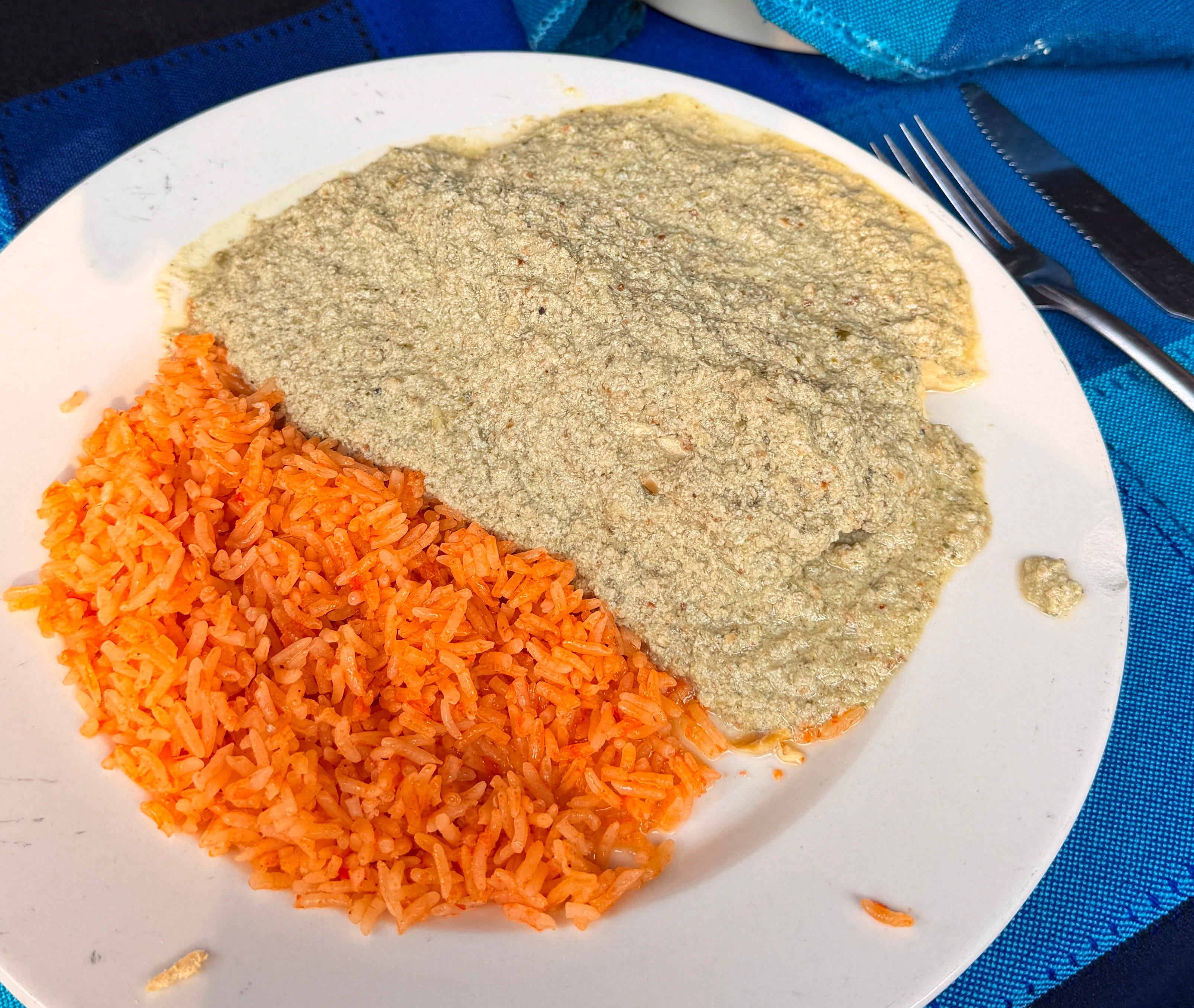
Pipián may not get quite the same recognition as mole poblano, but it is just as foundational to la comida poblana. Generally thought of as a mole, it is much more straightforward with fewer ingredients. The foundation is pepitas, which give it an earthy profile, coarse texture, and green color, though a red variety made with dried chiles and tomatoes is also common.
Tortitas de Santa Clara
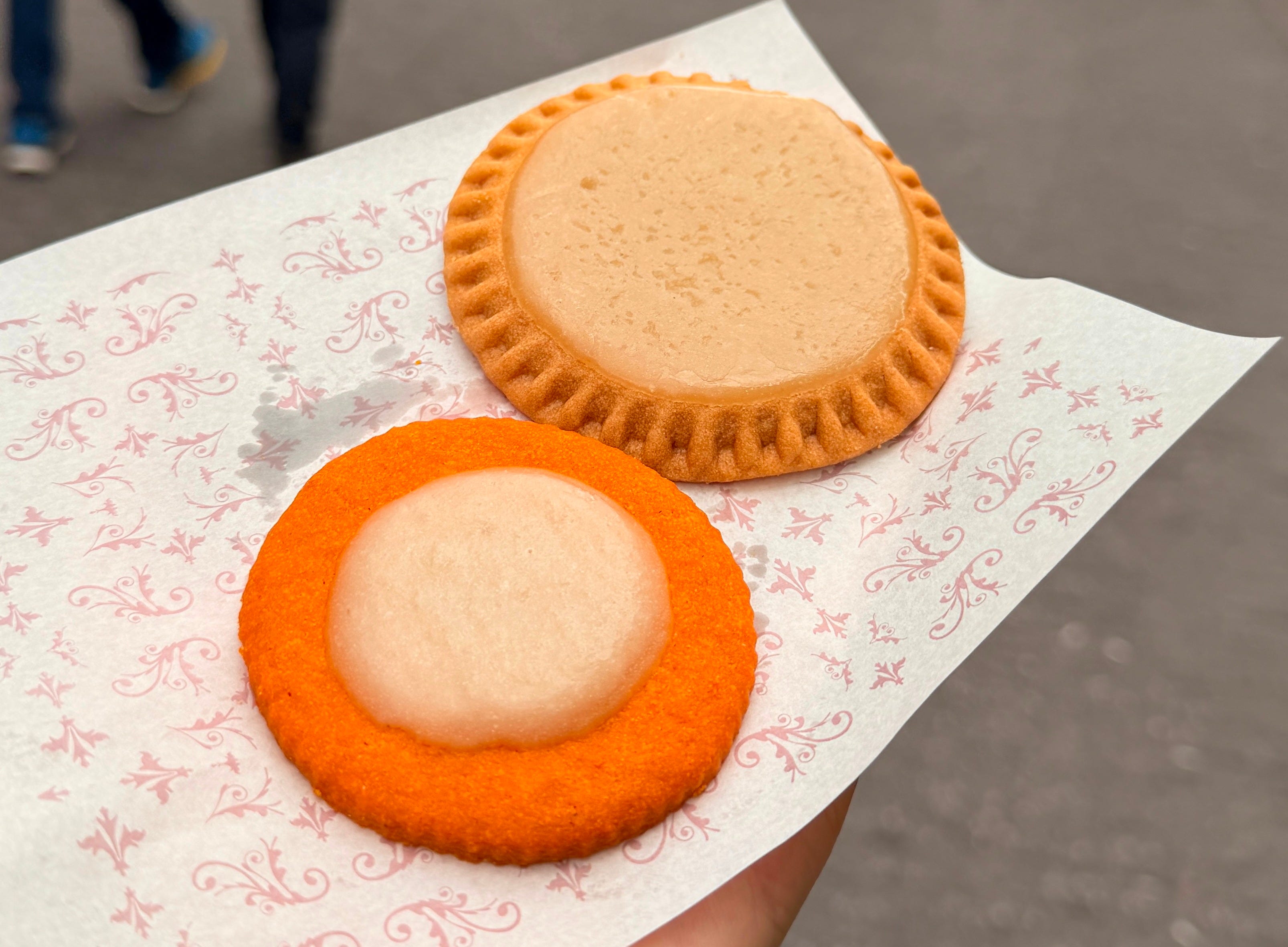
Tortitas de Santa Clara are beloved cookies that come out of the convent of Santa Clara. A shortbread base is topped with a sweet glaze, most often made with pepitas. The contemporary version most commonly found on Calle de Dulces (Puebla’s Sweet Street) are cookies featuring scalloped edges and made from a vegetable shortening, though some use the traditional recipe made with pork lard.
Tacos Árabes
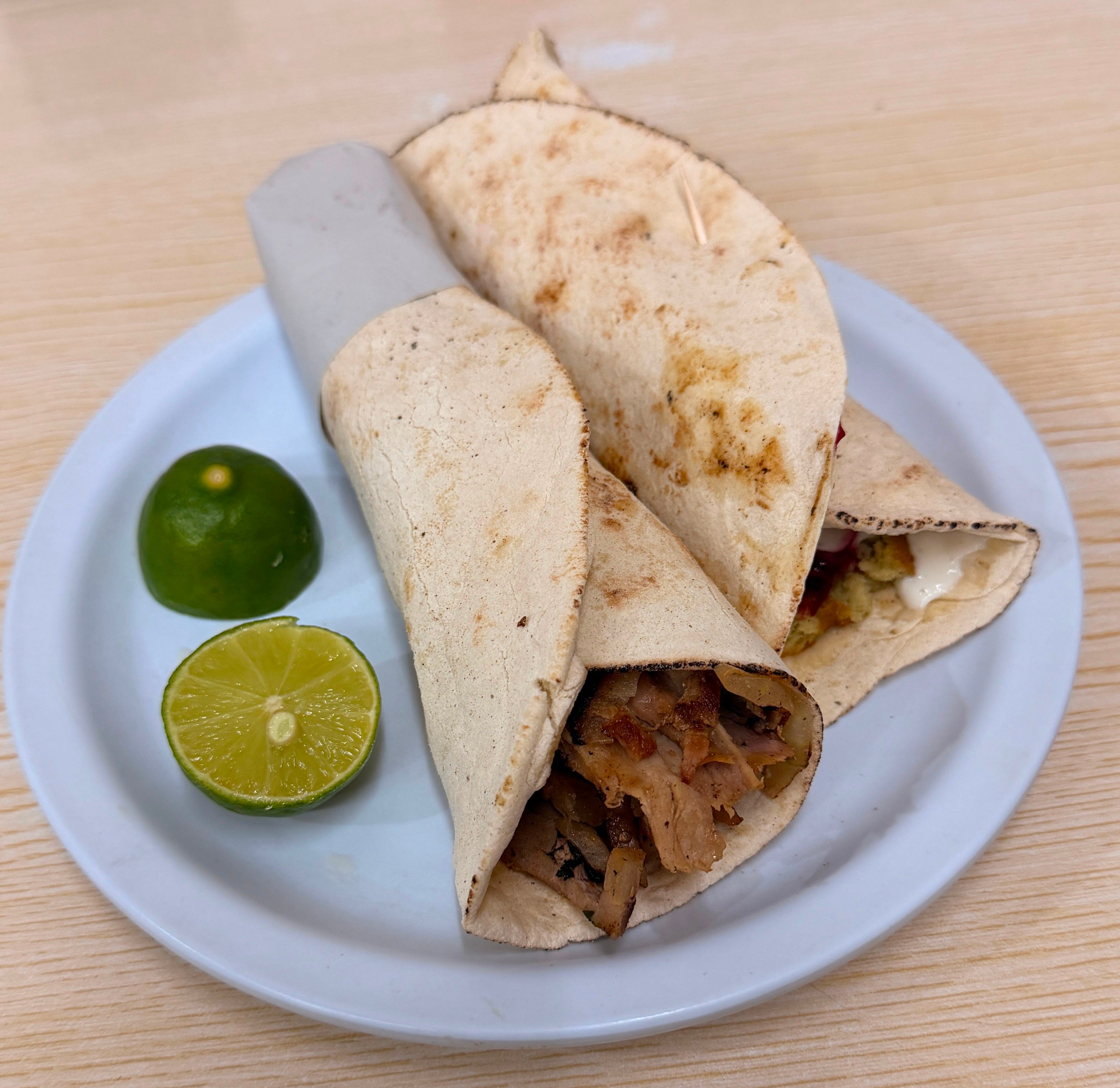
Tacos árabes showcase the fusion between Mexican food and immigrant influence. A large population of Lebanese immigrants settles in Puebla after World War I, and brought with them the tradition of cooking meat on a spit. That originally featured lamb, as was custom back home, but with time became more commonly pork. They adapted to local eating customs by serving them in the form of tacos, though they maintained a pan árabe — a thin pita of sorts — instead of corn tortillas.
This was ultimately the precursor to the now-famous pastor, which adds a chile adobo marinade for its signature red color and pineapple. Tacos árabes are also characteristically served with a smoky chipotle salsa and often a creamy yogurt salsa.
Chalupas
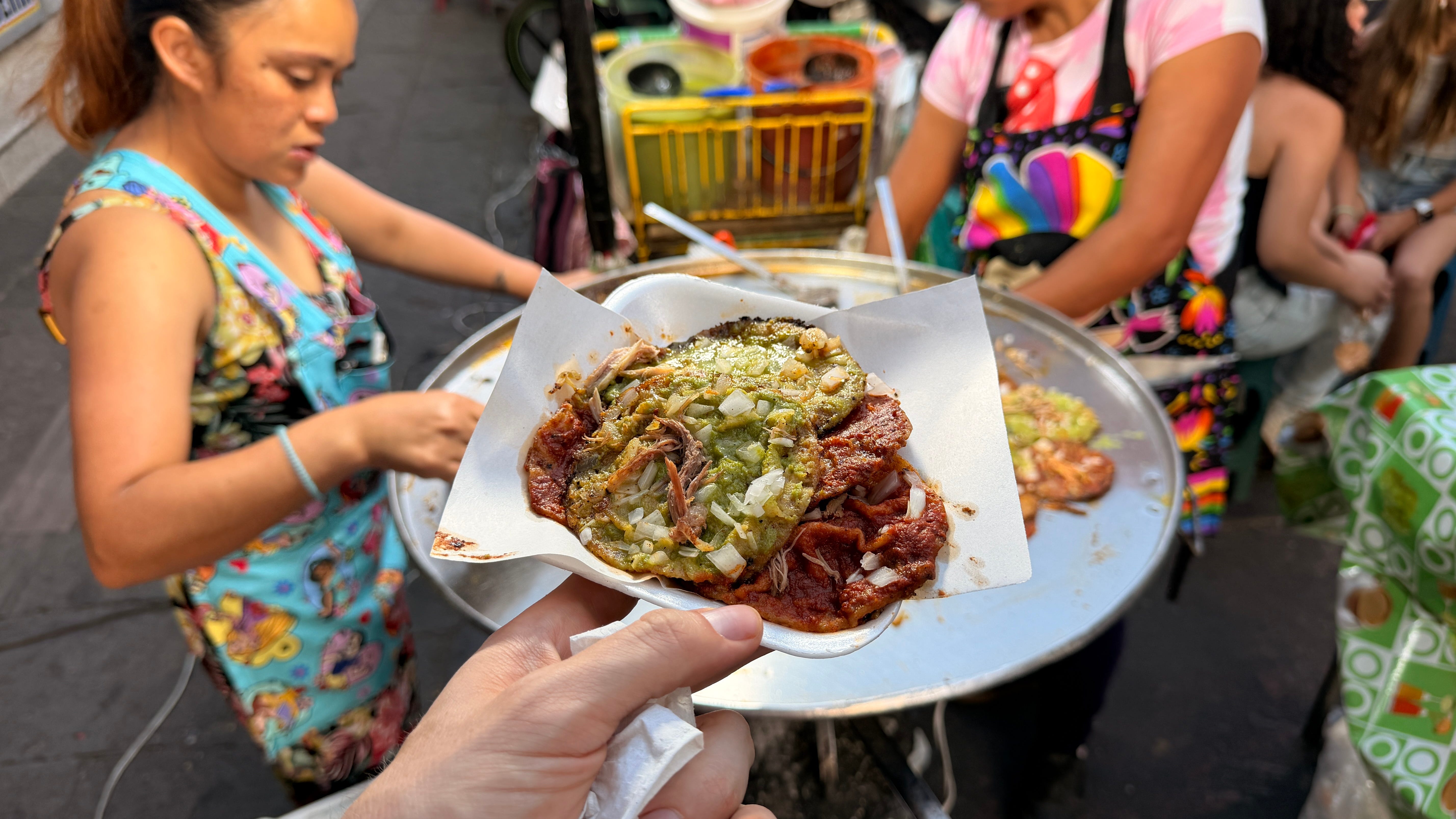
Chalupas are among the most straightforward street snacks found in Puebla. Small tortillas are fried on the spot then topped with salsa verde or salsa roja, onions, and shredded pork or beef. Simple as that. They are typically sold in sets of four or five, and eaten on the go.
Camotes
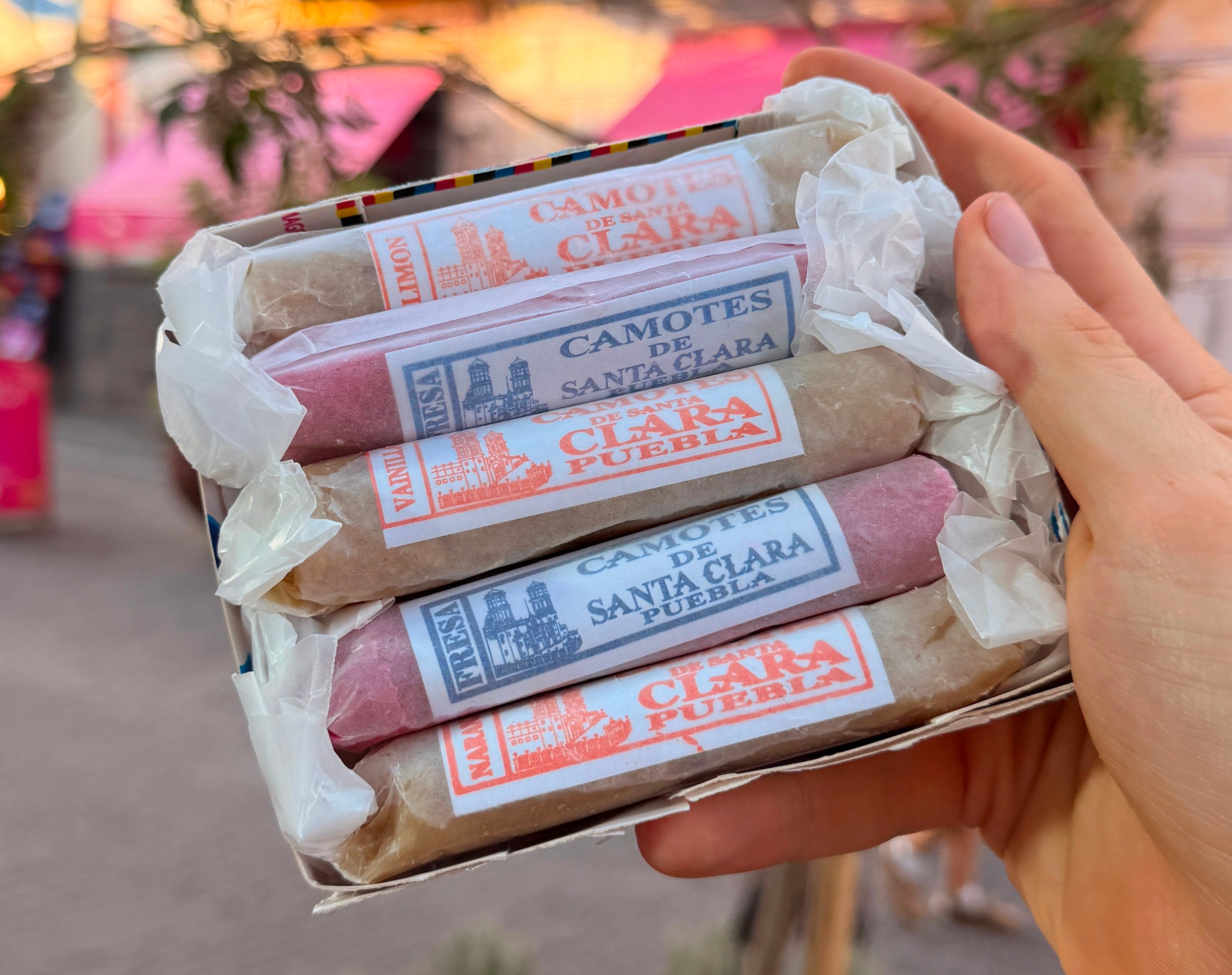
Camotes poblanos are widely known around the country, and are named after the sweet potatoes they’re made from. But instead of steamed sweet potatoes common in other cities, these are individually wrapped candies. First made by nuns at Santa Clara, camotes are made from boiled sweet potatoes that are mashed and mixed with piloncillo and flavoring. Though a variety of flavors can be found in different dulcerías, among the most common are strawberry, orange, pineapple, coconut, lime, and vanilla.
Other
Chile en nogada is among the most popular dishes around all of Mexico, but is largely limited to the months of August and September. A roasted poblano is stuffed with a picadillo of ground meat and fruits then topped with a walnut nogada sauce before being finished with fresh pomegranate seeds.
Memelas in Puebla are similar to those in Oaxaca, featuring a hand-formed corn tortilla topped with pork lard, refried beans, and your choice of toppings. The primary difference is a generous amount of salsa applied before serving.
Molotes are reminiscent of fried quesadillas, but with flour typically added in to the masa to make them extra crispy when frying. Shredded beef or chicken and quesillo are among the most typical fillings.
Macarrón de leche is another sweet that came as a result of convent experimentation. It’s best described as a hybrid between dulce de leche and fudge, a staple on Calle de Dulces and around the country.
Muéganos are one of those Mexican foods that varies greatly depending on where you are, and there are even different variations within Puebla. It wouldn’t even serve to try to describe them here given the wide variety available, so I recommend going to a dulcería on Calle de Dulces and seeing for yourself!
Agua de limón sevillano can be best described as a creamy limonada. Like a traditional limonada, limes are mixed with water and sugar, but in this case milk is added as well for a surprisingly refreshing creamy beverage.
There are undoubtedly plenty of other options available in Puebla, but these are some of the ones worth looking out for based on my visits to the city. You’ll find typical Mexican food like tacos, tamales, and elotes, but they aren’t included because they aren’t unique to Puebla. It’s certainly worth trying these other foods as well if you have time, but the list above is where I recommend you start to get a good taste of la comida poblana!
Did I miss anything important? Let me know in the comments!
Want more like this? I post ongoing food finds and neighborhood eating tips on TikTok, and publish practical guides on Substack covering regional gastronomy. Subscribing helps support the work and ensures you don’t miss future guides.
Enjoyed this guide? Tips help support future food research and writing.
Suggested tips (totally optional):
$2 - Buy me a box of camotes
$5 - Buy me a cemita
$10 - Buy me mole poblano